
The human foundation of
next-generation medicine.
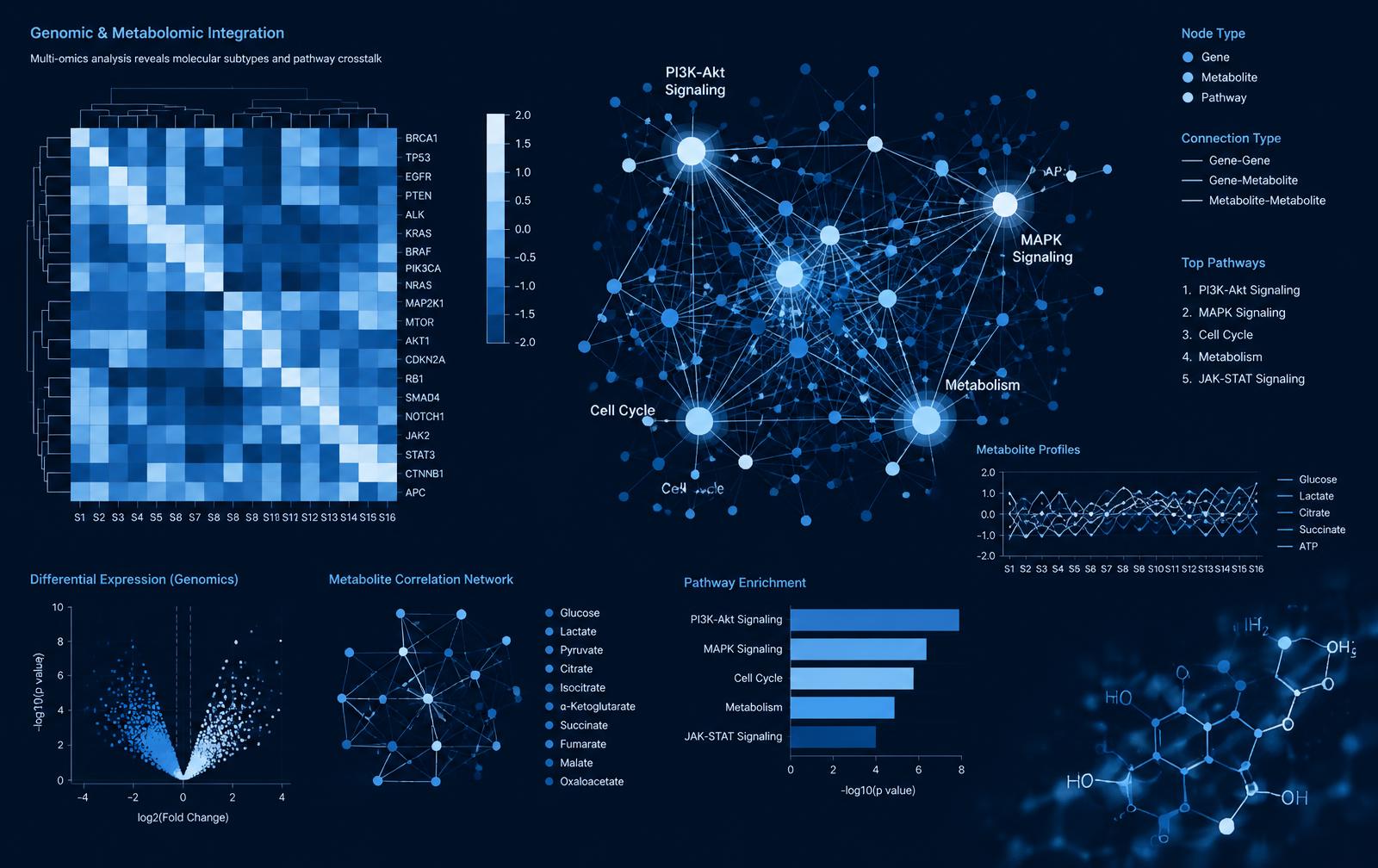
NEURXSTEM, Inc. builds patented human brain models — complete neural organoids from retina to spinal cord — that generate reproducible, regulator-grade molecular data for federal research in neuroscience, substance use, aging, and predictive AI.
Three focus areas, one human-data platform.
Animal models do not predict human brain disease — and that gap has driven decades of failed CNS translation. NEURXSTEM replaces approximation with human biology: patented whole-brain organoids that generate reproducible, regulator-grade molecular data.
Neural Organoid Platform & Models
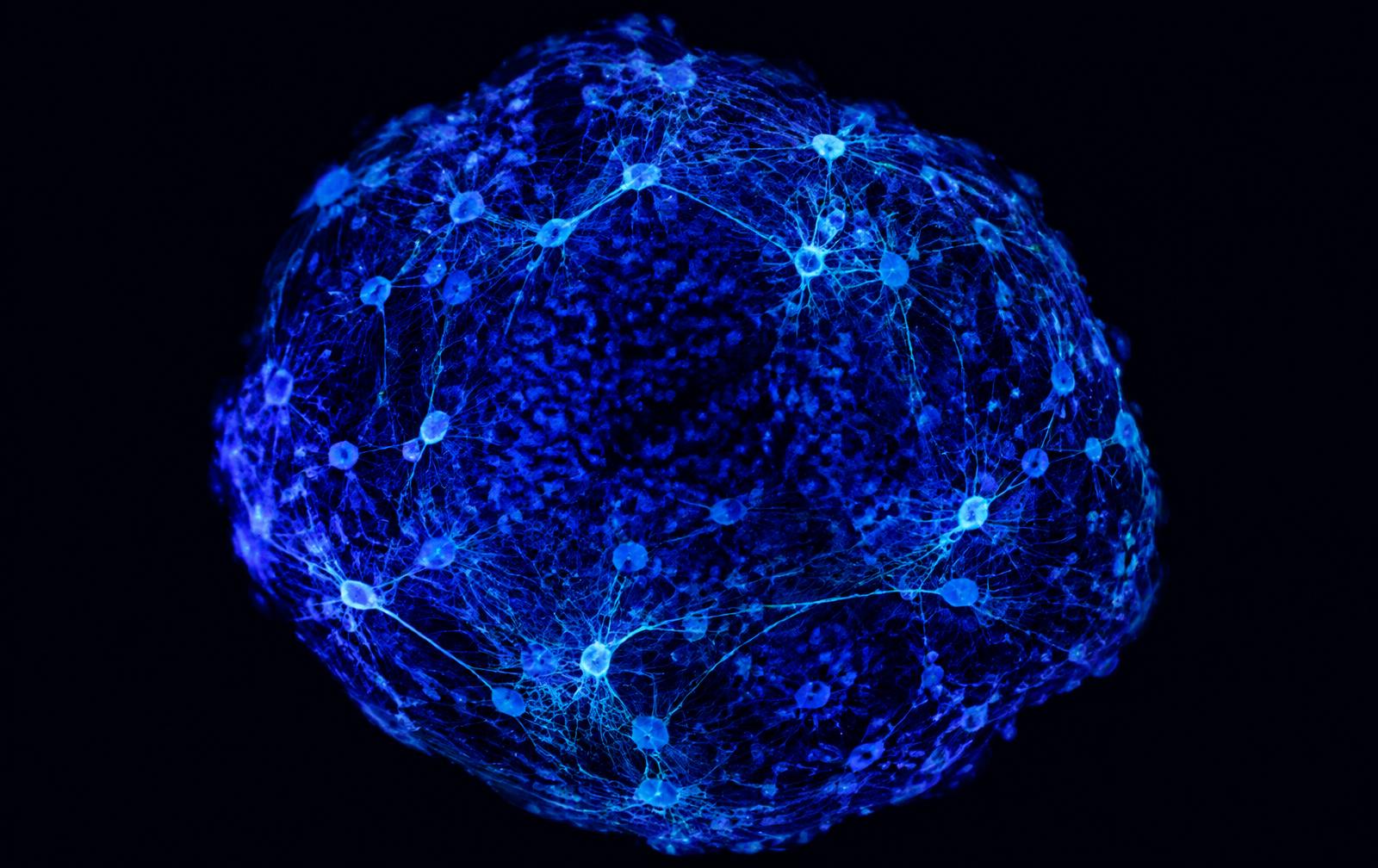
The patented NEURXSTEM Neural Organoid Platform (NNOP™) — full human brain architecture from retina to spinal cord, with the blood–brain barrier and microglia — delivered as frozen plates, live culture, or dataset-only.
Not a cortical organoid or a region-limited system. The only issued U.S. patent covering functional genomic human brain models, with 98–99% reproducibility across lines and replicates.
Focus area sheetMedical & Translational R&D
Human-validated molecular evidence for Alzheimer's, Parkinson's, migraine, autism, and opioid and substance use disorder — target identification, mechanism-of-action validation, biomarkers, and IND-supportive datasets.
Direct concordance with human clinical tissue gives programs evidence aligned with FDA human-data expectations under the FDA Modernization Act.
Focus area sheetLongevity & AI Health Data
Patented progeria-based accelerated-aging models and matched transcriptomic, metabolomic, and phenotypic datasets — a precise human-data layer for aging research and predictive AI.
Clinically corroborated, reproducible human data for training and validating AI health models — stratifiable by ancestry, sex, and molecular subtype.
Focus area sheetFederal line card
All three focus areas with their NAICS and PSC coverage, engagement pathways, and points of contact on one page.
View line card
Built for federal R&D funding.
Registered in SAM.gov for all awards (renewal in progress), with no active exclusions. NEURXSTEM has federal R&D history through NIH SBIR award R44-DA051281 (NIDA) and engages through the research funding pathways below.
Data that matches human disease.
Molecular concordance with clinical Alzheimer's tissue at p < 10⁻¹⁰⁰, 98–99% reproducibility across lines and replicates, and 500+ validated disease biomarkers. That is evidence aligned with FDA human-data expectations.